A practical field guide · UTCA case study · 2020–2022
The 2020 UTCA Era Guide to Marketing Your Organization to Your Audience
How to find the right people, make something worth joining, and turn a post into a working relationship—with the University of Toronto Consulting Association as the case study.
Audience before platformOffer before copyDelivery before claimsOne clear next step
Read this first
This is not marketing scripture. It is how 20- and 21-year-old Aman and the gang did this shit while running a student organization. Some of it worked. Some of it was janky. The useful part is that the archive shows both.
00 · The whole thing
Do not start with a post. Start with the person after the click.
The job is not to write a prettier company announcement. The job is to help one specific person recognize a problem, see a useful next step, and enter a space that delivers what the post promised.
Marketing an organization is a loop. You learn what a group of people needs. You build a useful offer for them. You explain it in their language. You put it where they already spend attention. You make the next action obvious. Then you deliver well enough that the experience produces proof for the next campaign.
UTCA was strongest when it followed this loop. It was weakest when it treated publishing itself as the work.
01Read demandFind the problem people already feel.
02Build an offerGive them a useful reason to care.
03Package itMake the promise clear and credible.
04Distribute itGo where the audience already gathers.
05Capture intentAsk for one visible next action.
06DeliverMake the experience match the promise.
07Save proofCarry results and stories into the next cycle.
01 · Audience
Choose a situation, not a demographic.
“Marketers,” “founders,” and “AI enthusiasts” are categories. They are not yet audiences. An audience is a group of people facing the same problem at roughly the same moment.
How to do it
Write one sentence with four parts.
We help [a specific person] who is trying to [do a job] but keeps running into [a concrete barrier] take [a useful next step].
For a new AI-search community, a useful first audience might be: working marketers who are responsible for how a brand appears in AI answers, but do not have enough peers with whom to compare experiments.
That person is easier to write for than “agencies, marketers, SEO specialists, founders, and AI enthusiasts.” The broader list can still join. It should not control the opening sentence.
Curious first-year
“I know nothing about consulting.” Offer a low-pressure introduction.
Lower-year explorer
“Where do I start?” Offer guides, workshops, and a path.
Active recruit
“I need practice now.” Offer interviews, cases, firms, and deadlines.
Student operator
“I need real experience.” Offer responsibility, selection, and progression.
Client or sponsor
“Can this group deliver?” Offer process, proof, and one point of contact.
Alumnus or advisor
“Is this worth my time?” Offer a prepared format and light administration.
Simple rule: if you cannot name the person’s current problem, you are not ready to write the headline.
02 · Offer
A channel is not an offer.
A Discord server, LinkedIn page, newsletter, or Instagram account is a container. The offer is what reliably happens there that makes someone’s week better.
Before you announce a community, decide what a member will be able to do in the first ten minutes and what useful ritual will happen every week. A list of channels is helpful after people care. It rarely creates the reason to join.
For an AI-search community, one strong recurring promise is enough to begin: a weekly experiment clinic, a teardown of one brand’s AI visibility, a thread for comparing what changed, or office hours where every serious question gets an answer.
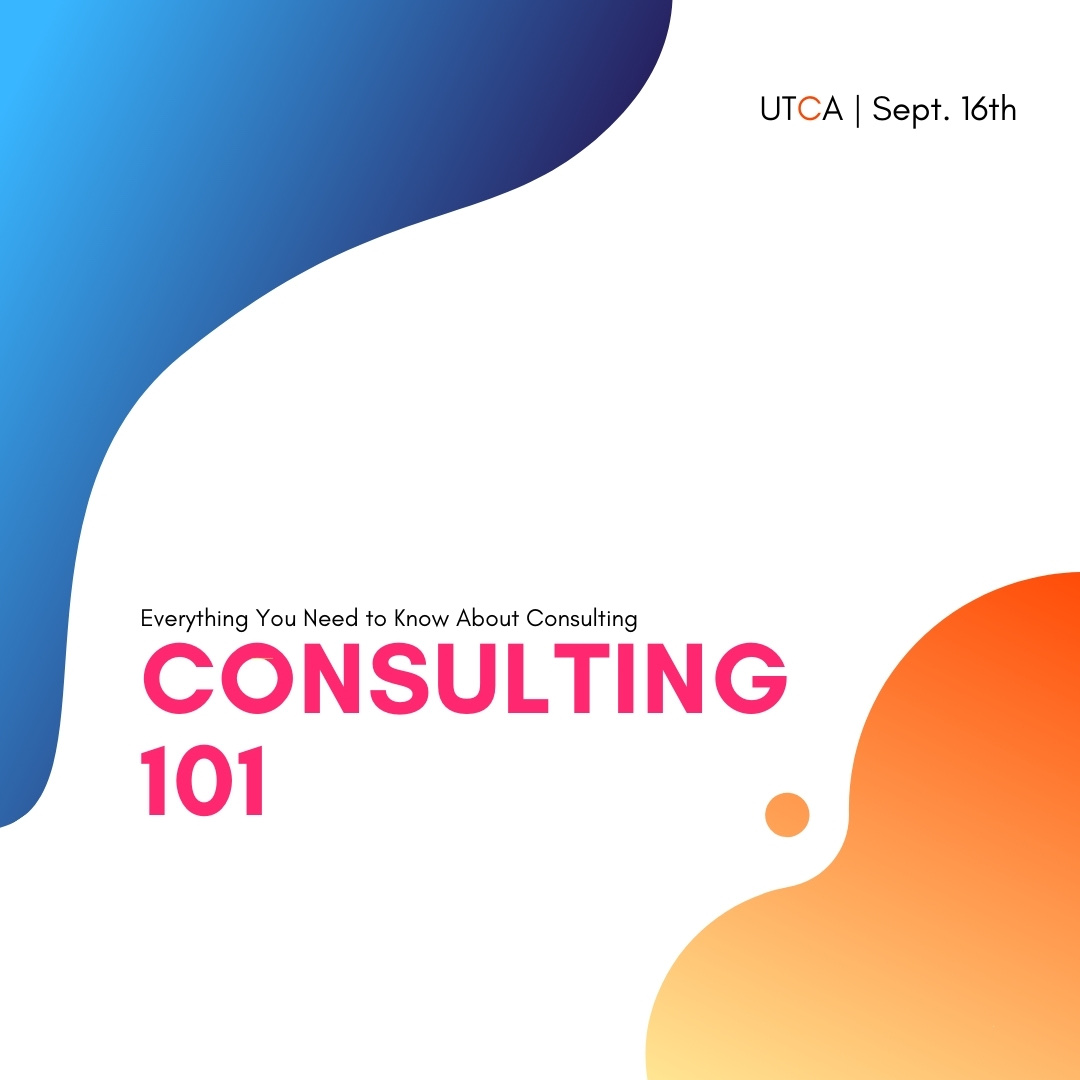
LearnConsulting 101 and public guides reduced the cost of starting.
PracticeCase workshops and mock interviews turned knowledge into action.
MeetFirm events created access to people students wanted to learn from.
DoThe Consulting Group gave students real clients and responsibility.
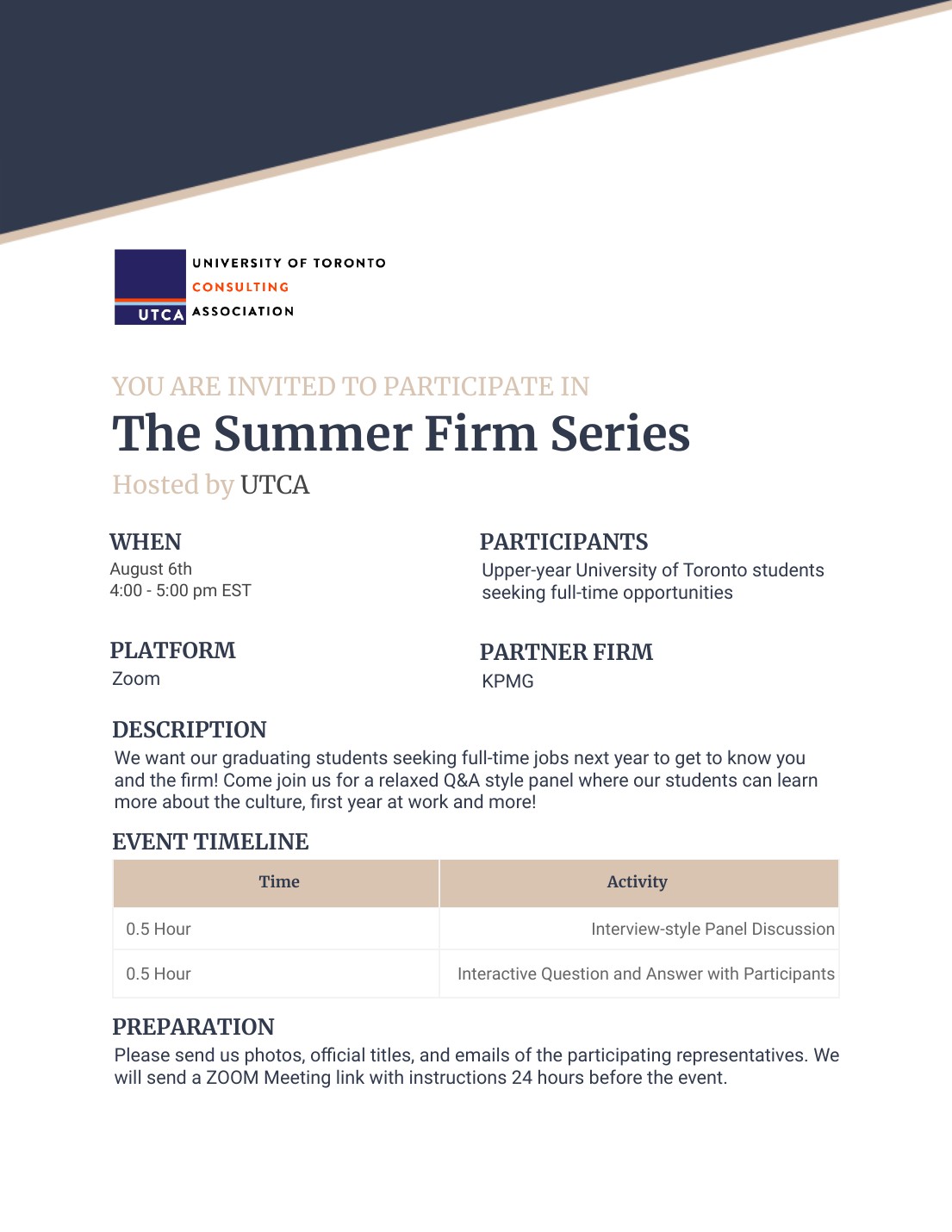
Start with permissionConsulting 101 welcomed every year and program and required no prior knowledge.Make durable helpThe 48-page Skills Bootcamp turned common recruiting questions into a reusable artifact.Create accessThe Firm Series offered a concrete meeting with a named firm on a specific date.
For a community launch: lead with the recurring value. Put free credits after it. An incentive can cause a join; it cannot create a reason to return.
03 · Proof
Put a reason to believe beside every important promise.
New organizations often describe the community they hope to create as though it already exists. That sounds polished and weakens trust.
How to do it
Separate facts, plans, and aspirations.
Say “we are building a place where…” when the culture is still a goal. Say “members meet every Thursday…” only when that behavior is real. If the group is new, proof can be modest: the names of the hosts, the first event on the calendar, three seeded discussions, a response promise, or an example of the work members will do together.
Do not try to sound larger than you are. A small room with a reliable host is more valuable than a large, empty server.
IdentityWho is responsible?
ProcessWhat happens, and when?
PeopleWho will be in the room?
Prior workWhat have you already done?
Next actionWhat should I do now?
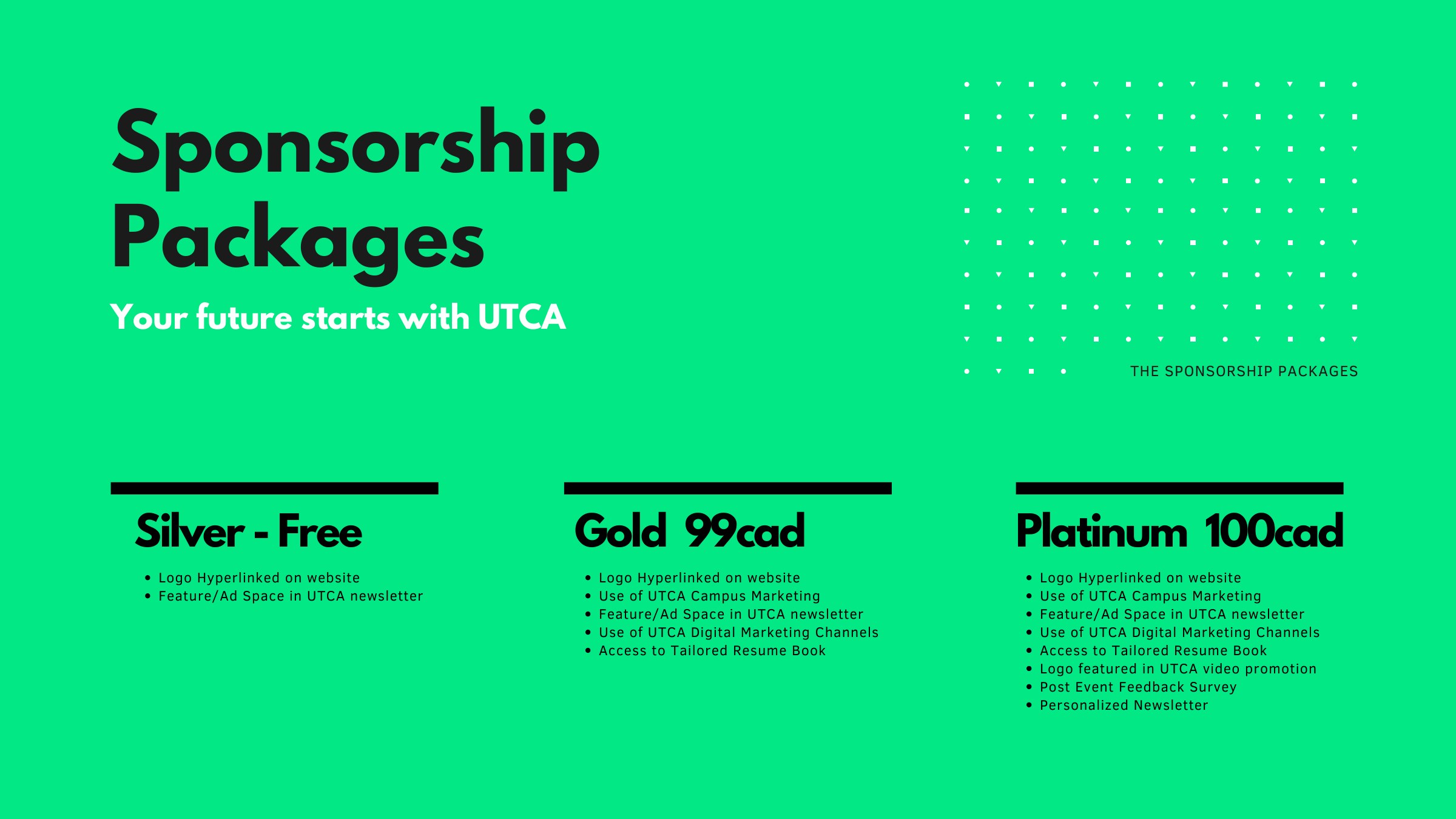
Translate attention into an offerThe sponsor package explained what UTCA could distribute and what a partner could receive.Package the relationshipThe tiers made the offer concrete. Draft inconsistencies also show why one final editor matters.
04 · Distribution
Give every channel one job.
Do not paste identical copy everywhere and call it a strategy. Decide which channel creates discovery, which holds the full explanation, which captures intent, and which delivers the relationship.
Channel
Its job
What to publish
What it should lead to
LinkedIn
Professional discovery and borrowed trust
A sharp problem, a credible point of view, one example, and one action
The community page, event, or join link
Website
Source of truth
The full promise, who it is for, schedule, hosts, proof, and expectations
A form or join action
Email
Return and follow-through
Announcements, reminders, welcomes, useful recaps, and next dates
Attendance and repeat participation
Discord
Delivery and retention
Conversation, help, rituals, introductions, examples, and visible hosts
A first useful action and a reason to come back
People
Borrowed distribution
Personal notes and posts from people the audience already trusts
Qualified members, not anonymous reach
208registrations
UTCA case study · 2021
Ask people where they found you.
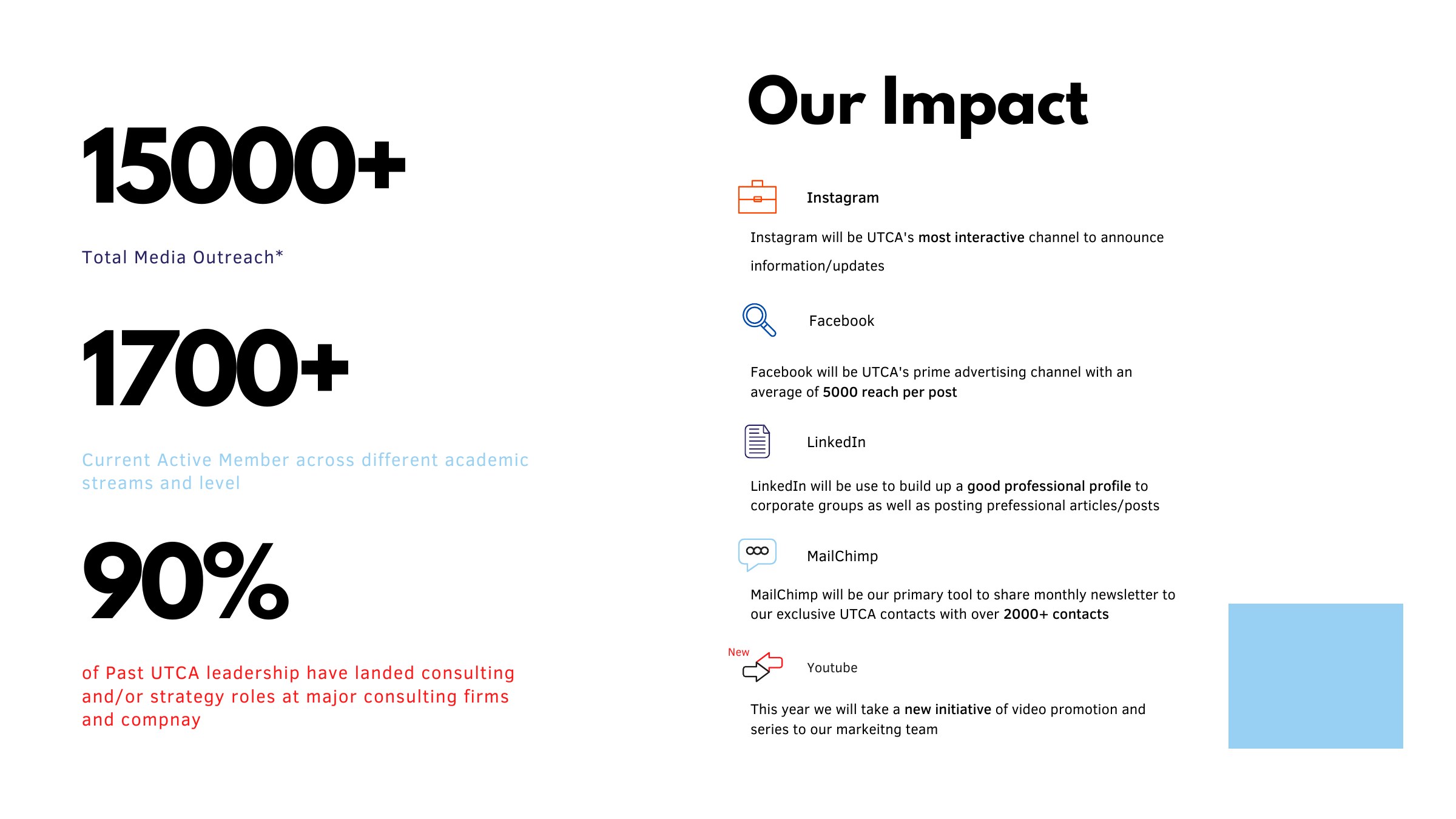
Four Summer Firm Series registration books preserve a rare piece of channel attribution. Instagram did most of the discovery. Facebook still mattered. LinkedIn and university portals reached smaller professional and program-specific audiences.
Instagram117 · 56.3%
Facebook49 · 23.6%
LinkedIn19 · 9.1%
Rotman portals16 · 7.7%
Referral or prior contact7 · 3.4%
Simple rule: owned channels explain and retain. Borrowed channels help you reach people who do not know you yet.
05 · Campaign
A campaign is a timed sequence, not a single announcement.
The first post reaches whoever happens to be looking. The sequence reaches people when they are ready and tells them what to do next.
How to do it
Build backward from the first real experience.
Set the date of the first useful ritual. Then prepare the destination, the announcement, the personal distribution list, the welcome, the reminder, and the follow-up. Seed the space before inviting strangers into it.
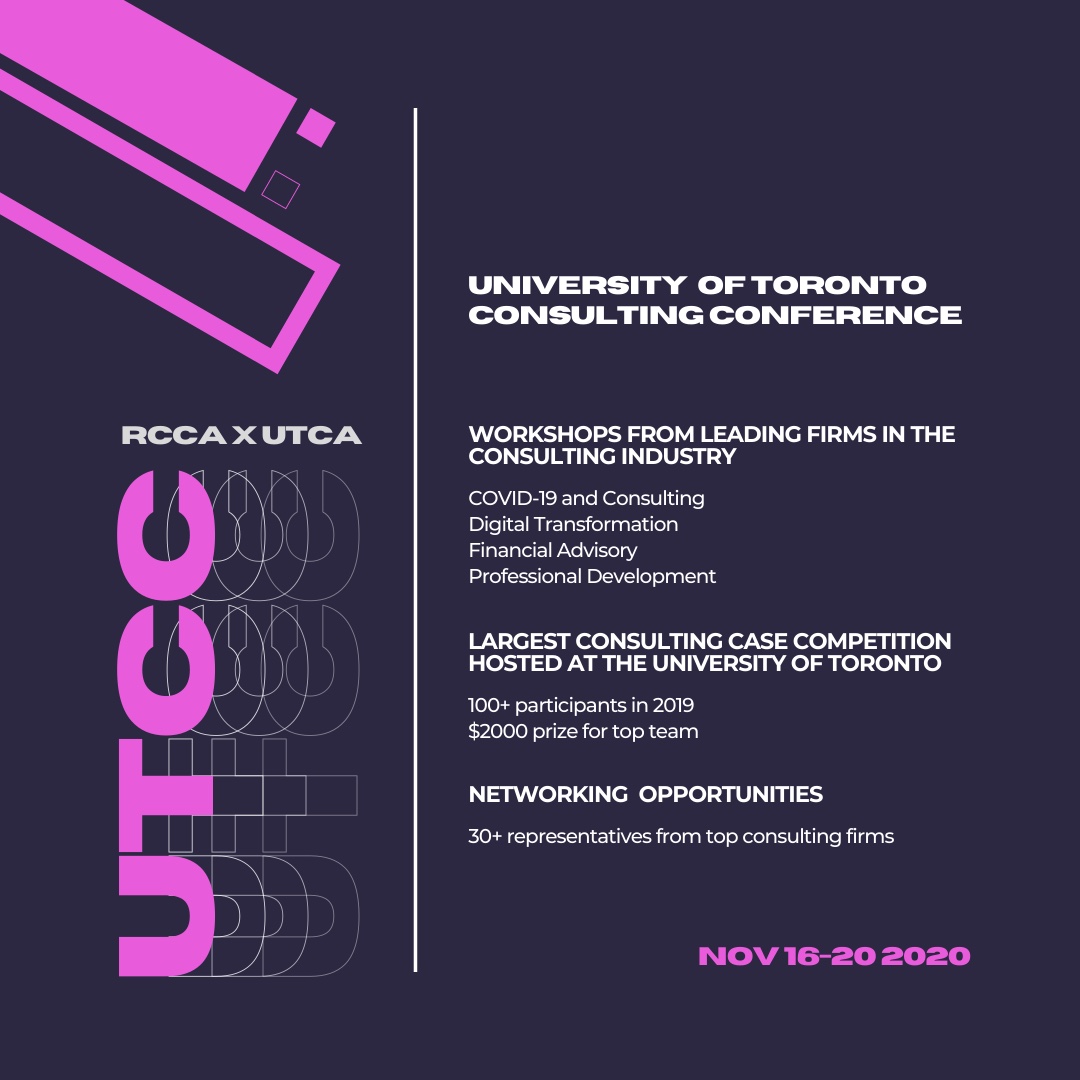
UTCA’s handoff called for one-week, three-day, and one-day reminders. Its largest virtual conference assigned named owners to firm posts, schedule posts, case-competition posts, and the countdown. Its firm series started production roughly two months before the event.
BeforePrepare the roomWelcome, rules, hosts, seeded threads, first event, tracking.
Day 0Make the caseLinkedIn article, company post, email, and personal shares.
Day 1ActivateWelcome each member and point to one first action.
Day 3Show lifeShare one useful exchange or remind people of the first ritual.
Day 7Close the loopReport what happened and announce what comes next.
The public post was the tipThe representative itinerary covered roles, timing, transitions, Q&A, and breakout rooms. Delivery was designed, not improvised.One campaign, several promisesUTCC packaged workshops, a case competition, networking, and prizes into a five-day virtual program.
06 · Copy
Write the post in the order the reader needs it.
Company background is rarely the first thing a reader needs. Start with the situation they recognize, then earn the right to explain the organization.
A simple announcement structure
1. Name one problem the reader already feels.
2. Explain why the current options are not enough.
3. State what you are building in one sentence.
4. Name the specific people for whom it is useful.
5. Describe what will happen there, not only its channels.
6. Give one modest reason to believe you will run it well.
7. End with one action.
A fill-in-the-blank opening
[The work] changes too quickly for [the reader] to learn alone.
Existing spaces make it hard to [specific unmet need].
We are opening [the thing]: a place for [specific person] to [specific recurring behavior].
We will begin with [first ritual], hosted by [responsible person], on [date].
If that would help you, [one CTA].
Example: “AI search changes too quickly for any one marketing team to learn alone. We are opening a small working community where people responsible for AI visibility can compare experiments, ask honest questions, and show what moved. We will start with a weekly experiment clinic. Join us here.”
07 · Email
Social finds people. Email helps them show up.
UTCA used email as an operating layer: newsletters kept the audience warm, event reminders reduced uncertainty, partner briefings made delivery smoother, and personal outreach moved prospects through a pipeline.
Announcement
Why this exists
The audience’s problem.
The concrete promise.
The first scheduled activity.
One join link.
Subject: A working room for people responsible for AI visibilityWelcome
Make the first action tiny
Welcome them by name.
Point to one introduction prompt.
Link one useful thread.
Give the next live date.
Start here: tell us what you are testing and what you cannot yet explain.Return
Send proof, not nagging
One useful thing that happened.
One member contribution.
One next activity.
One action.
This week: three tests, one surprising result, and Thursday’s clinic.
UTCA’s cold-outreach lesson: roughly 200 client contacts produced 15 respondents and five initial confirmations. Former clients and warm networks helped the team recover to nine engagements. A relationship often distributes trust better than a polished blast.
08 · Measurement
Measure the relationship, not the applause.
Likes can tell you that a post travelled. They cannot tell you whether the right person joined, did something useful, returned, or helped somebody else.
1Click → joinDid the explanation create enough intent to enter?
2Join → first actionDid the welcome make participation obvious?
3Question → answerDid someone receive useful help, and how quickly?
4Week-one returnDid the experience create a reason to come back?
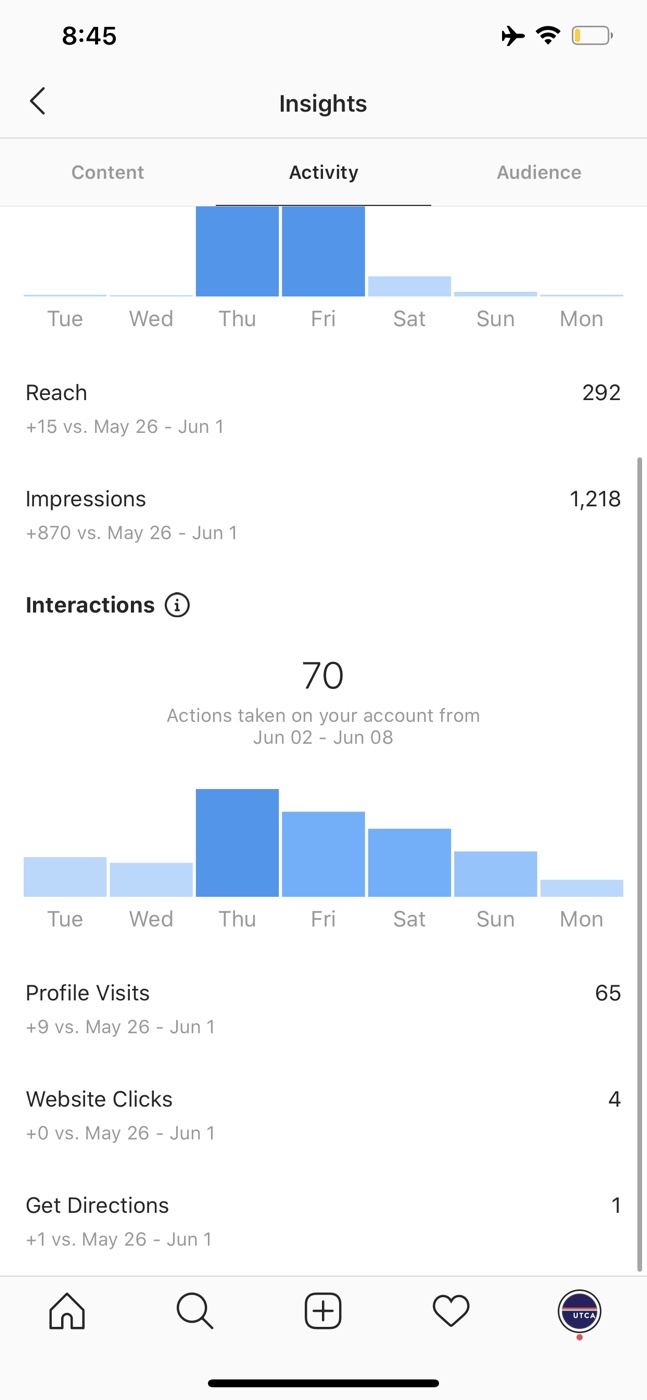
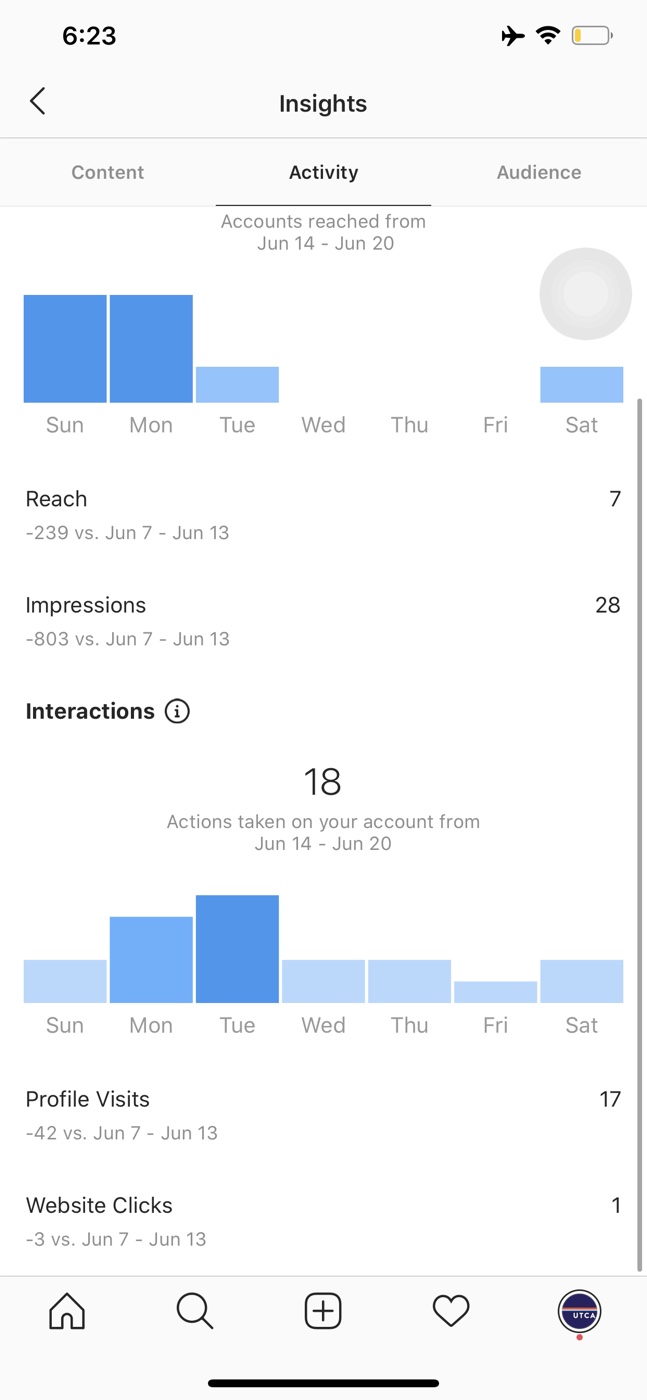
Active week · June 2–8, 2020292 reach, 1,218 impressions, and 70 interactions.Inactive week · June 14–20, 20207 reach, 28 impressions, and 18 interactions. This is a snapshot comparison, not a controlled experiment.
The two UTCA screenshots show that activity and reach moved together in those weeks. They do not show which post created a registration or whether growth persisted. That distinction matters. UTCA measured enough to manage cadence, but not enough to attribute every outcome.
For a community, add a source field to the join path and keep a weekly count of joins, introductions, first posts, answered questions, event attendance, and seven-day returns. A small table is enough.
09 · Apply it
What I would change in the community draft.
The draft has warmth, a clear reason for choosing Discord, a useful picture of the channels, and a direct invitation. Keep those. Tighten the underlying promise.
On the approval question
Calibrate first. Then delegate the routine work.
Approve the first three pieces together so the voice, evidence standard, and boundary between aspiration and fact become concrete. After that, the writer should be able to publish routine community content from a standing brief without waiting for approval every time.
Keep review for new product claims, customer names or results, pricing, legal or security subjects, crisis responses, and any statement whose evidence is uncertain. Everything else should have a clear owner, a checklist, and room to move.
Narrow the first reader.
Write first for the person actively responsible for AI visibility and looking for peers. Let adjacent audiences recognize themselves later.
Lead with the problem.
Do not open with the company starting a Discord. Open with why this work is hard to learn alone.
Make the status honest.
A new server is not yet a trusted peer space. Say that you are building one and name how you will earn that trust.
Promise a ritual.
Channels describe storage. A weekly clinic, teardown, or guaranteed response describes value.
Move credits down.
Free credits are a useful activation bonus. They should not become the main reason the people you want decide to join.
Name the hosts.
Tell readers who will welcome them, answer questions, and keep the room useful. Community needs visible responsibility.
The shortest useful edit: replace “here are our channels” with “here is what we will do together every week,” then use the channel list as supporting detail.
10 · What UTCA got wrong
Keep the failures. They are the expensive part of the case study.
The archive is useful because it contains missed targets, contradictory templates, unfinished ideas, and weak measurement—not only polished posters.
Publishing did not compound.
Guides were strong, but proposed articles, case studies, alumni profiles, and a regular public news feed did not become a durable editorial system.
Acquisition beat attendance.
The 2021 Summer Firm Series recorded about 210 registrations and about 110 attendees: roughly half of the people who raised a hand showed up.
Templates drifted.
One participant email contained two start times. One firm script named the wrong firm. A campaign needs one canonical brief and a final proofreader.
Identity split.
Old and new LinkedIn pages coexisted, and the proposed web domain changed. Every active identity divides attention and weakens the source of truth.
Claims ran ahead.
Words such as “largest,” “premiere,” and “expert-level” sometimes outran the evidence. Specific facts would have been stronger.
Privacy lagged collection.
The archive retained many resumes and response files without a visible deletion schedule. Collect only what you need, assign retention, and keep public artifacts separate.
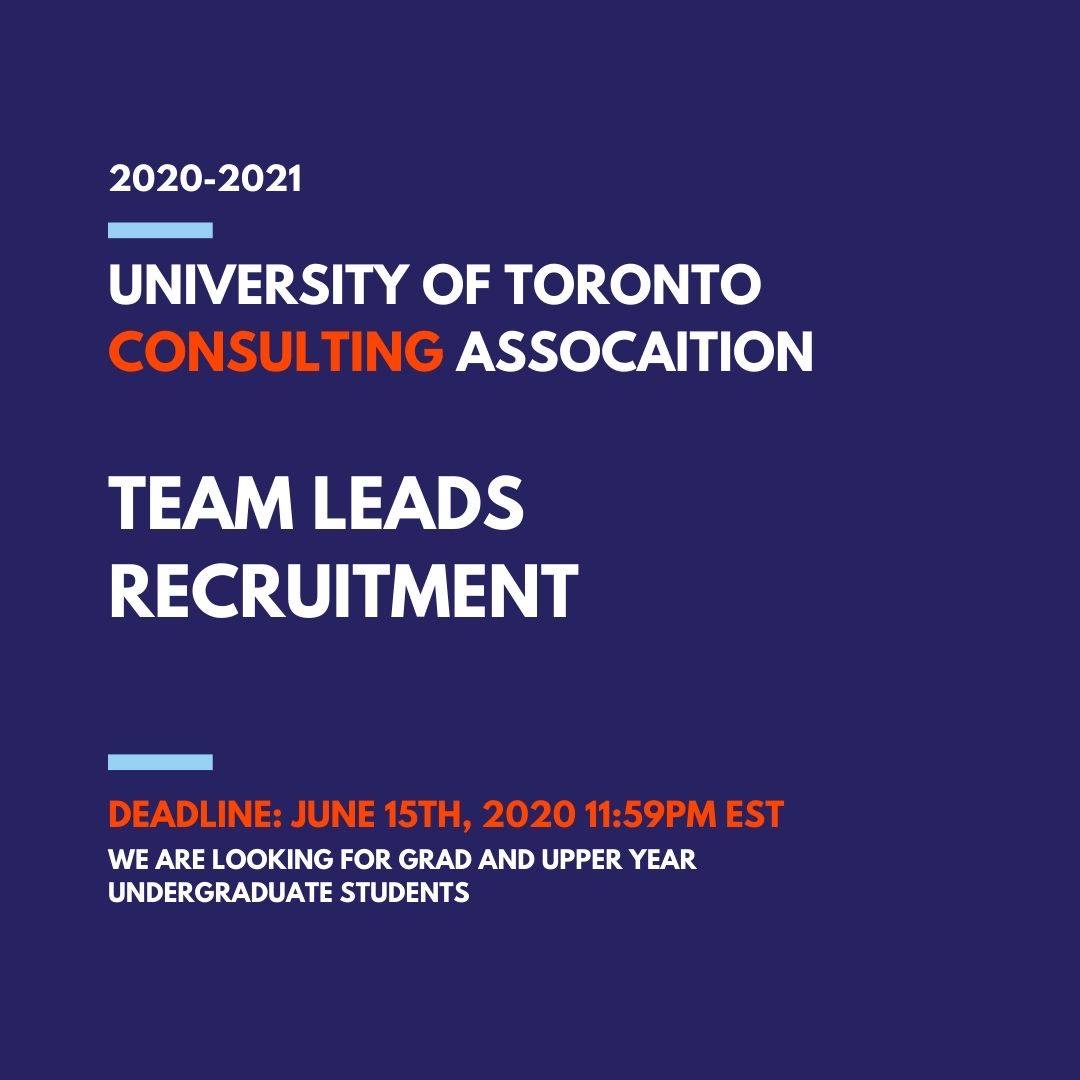
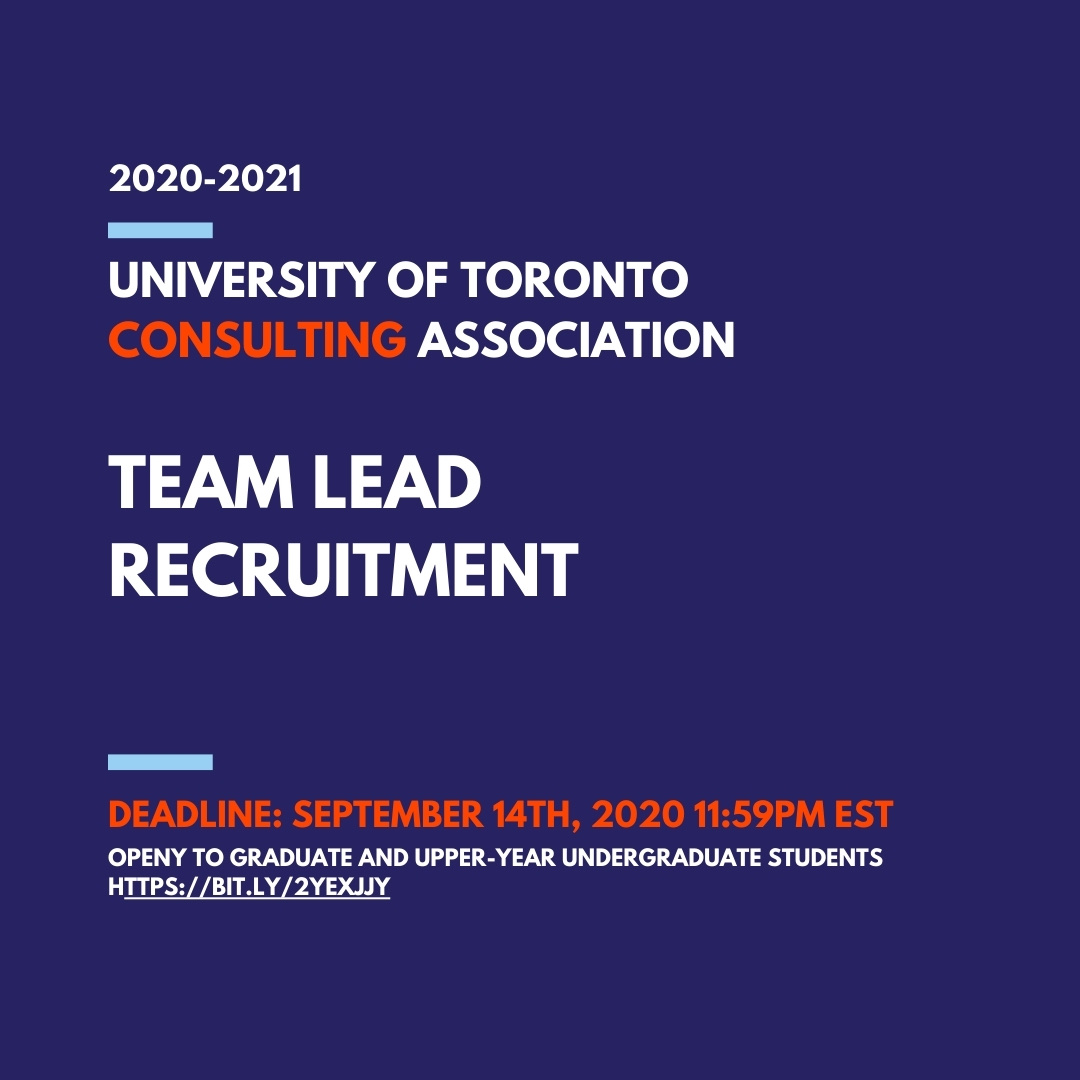
Early draftThe first options were criticized as crowded, hard to read at a distance, and typographically inconsistent.Final campaign assetThe final poster used a clear role, one eligibility statement, a visible deadline, and much stronger hierarchy.
11 · Before you publish
A ten-minute launch check.
If all ten answers are clear, publish. If not, the problem is probably the offer or the operating plan—not the prose.
Check
The question
A good answer sounds like
Audience
Who is the first reader?
A person in one recognizable situation, not a list of industries.
Problem
What is hard for them right now?
Something they already say in their own words.
Offer
What useful thing will happen?
A recurring behavior, event, resource, or service.
Truth
Which claims are facts, and which are goals?
Present tense for facts; future-facing language for culture still being built.
Proof
Why should they believe you?
A host, date, process, example, result, or prior relationship.
Destination
What will they see after the click?
A prepared room with a welcome and useful material already inside.
Action
What is the one next step?
Join, register, apply, reply, or attend—not all five.
Owner
Who responds and hosts?
A named person with a response expectation.
Sequence
What happens after day zero?
A welcome, reminder, first ritual, and proof-bearing follow-up.
Measure
How will you know the relationship formed?
Source, join, first action, answer, attendance, and return.
The takeaway
Make something useful. Package it for one audience. Borrow distribution. Deliver the promise.
Then save the proof and do it again. That was the best of the UTCA-era system. Everything else was a tool.
For a community article: the post should not announce that a Discord exists. It should make one working marketer think, “Those are my people, that is the problem I have, and I know what will happen when I join.”
About the case
This guide was reconstructed in August 2026 from the private UTCA executive archive for 2020–2022: campaign plans, handoffs, analytics screenshots, registration workbooks, newsletters, brochures, event scripts, emails, and retrospective decks. The numbers are surviving historical reports, not independently audited results. The public examples exclude applicant records, personal contact sheets, meeting credentials, and proprietary training material.