← → figures · N notes · V voice · F fullscreen
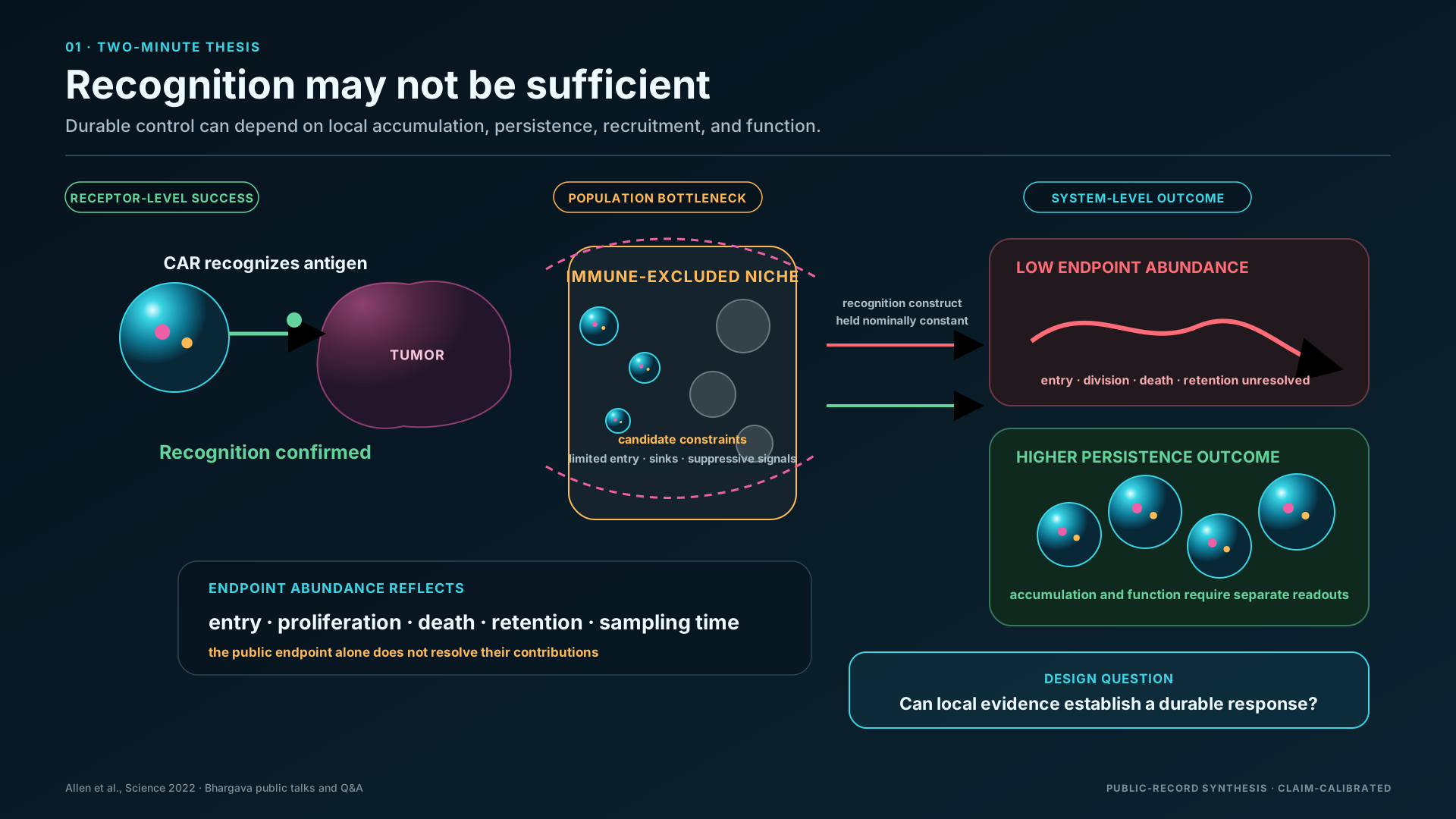
Recognition is required, but the cited endpoint data suggest it may not be sufficient for durable control in this preclinical setting. Low tumor abundance could reflect entry, proliferation, death, persistence, or retention. The key question is which population processes locally gated signaling actually changes.
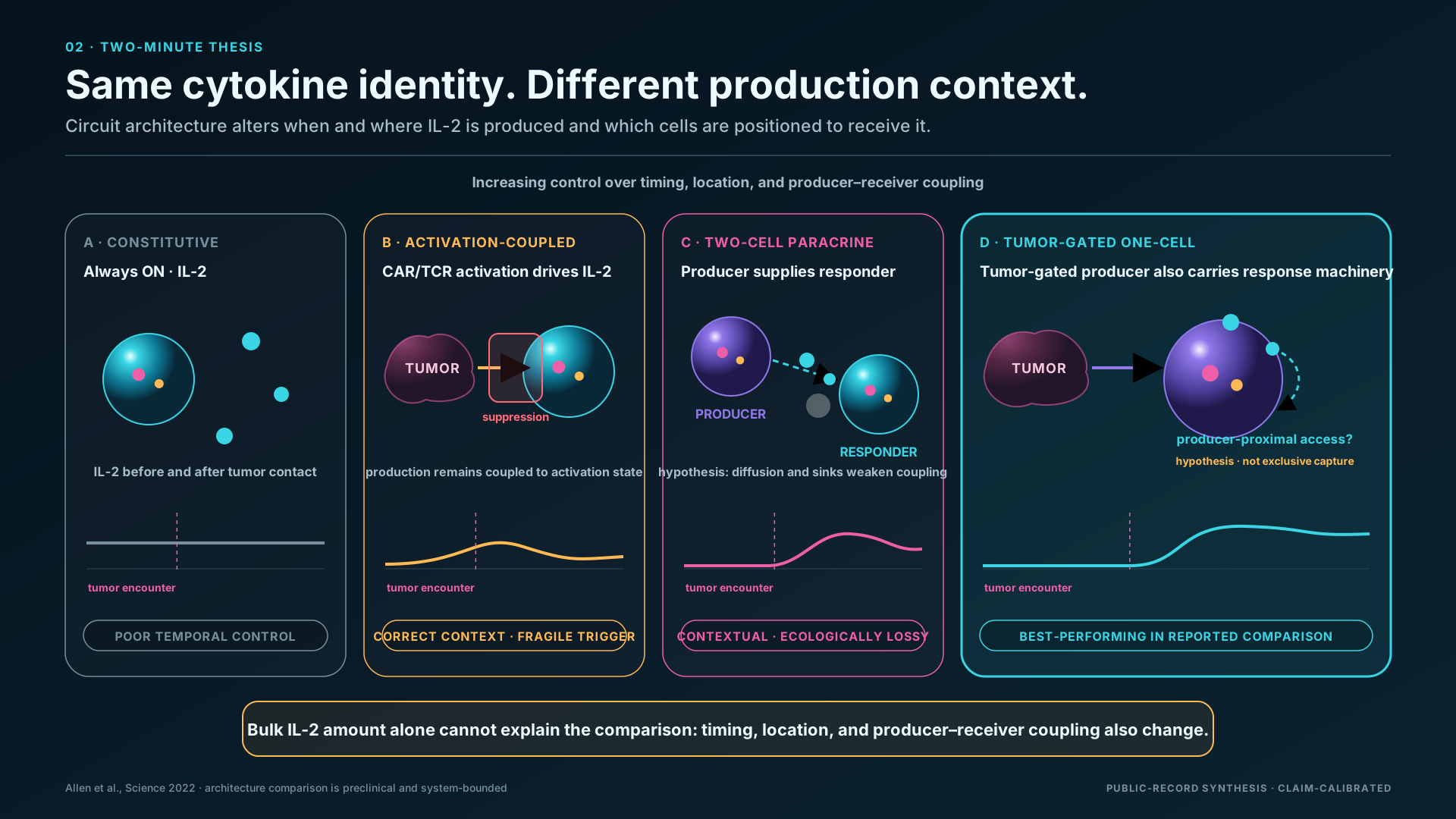
The cytokine identity is held constant, but production context and effective exposure change. Among the configurations compared in the reported preclinical system, the tumor-gated one-cell design performed best. Improved producer–receiver coupling is plausible, but preferential local capture remains a mechanism to test.
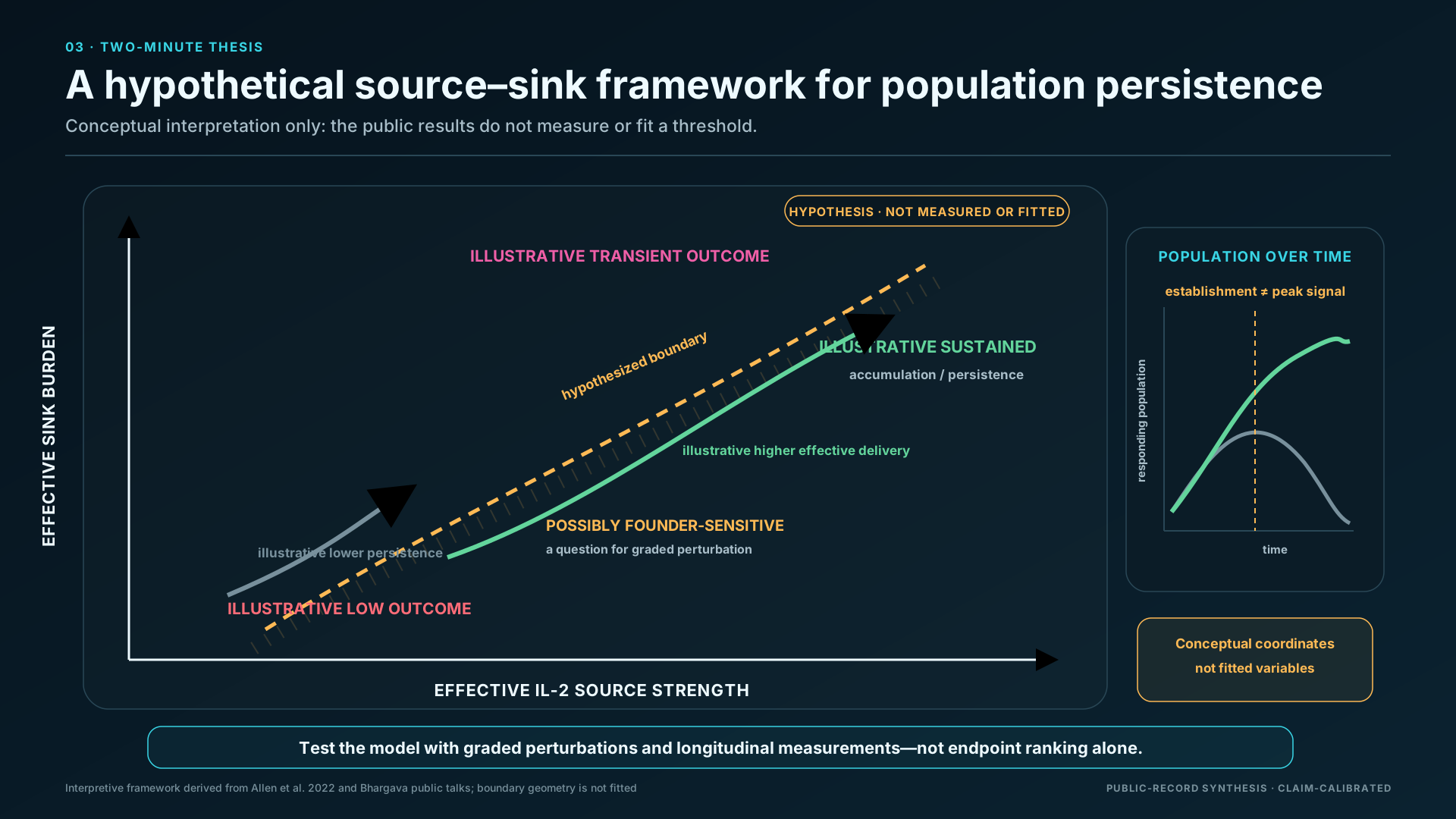
This is a conceptual source–sink interpretation, not a fitted phase diagram. Sustained accumulation could reflect production, access, growth, consumption, death, and egress. The architecture comparison motivates a threshold hypothesis, but graded perturbations and longitudinal measurements are needed to test it.
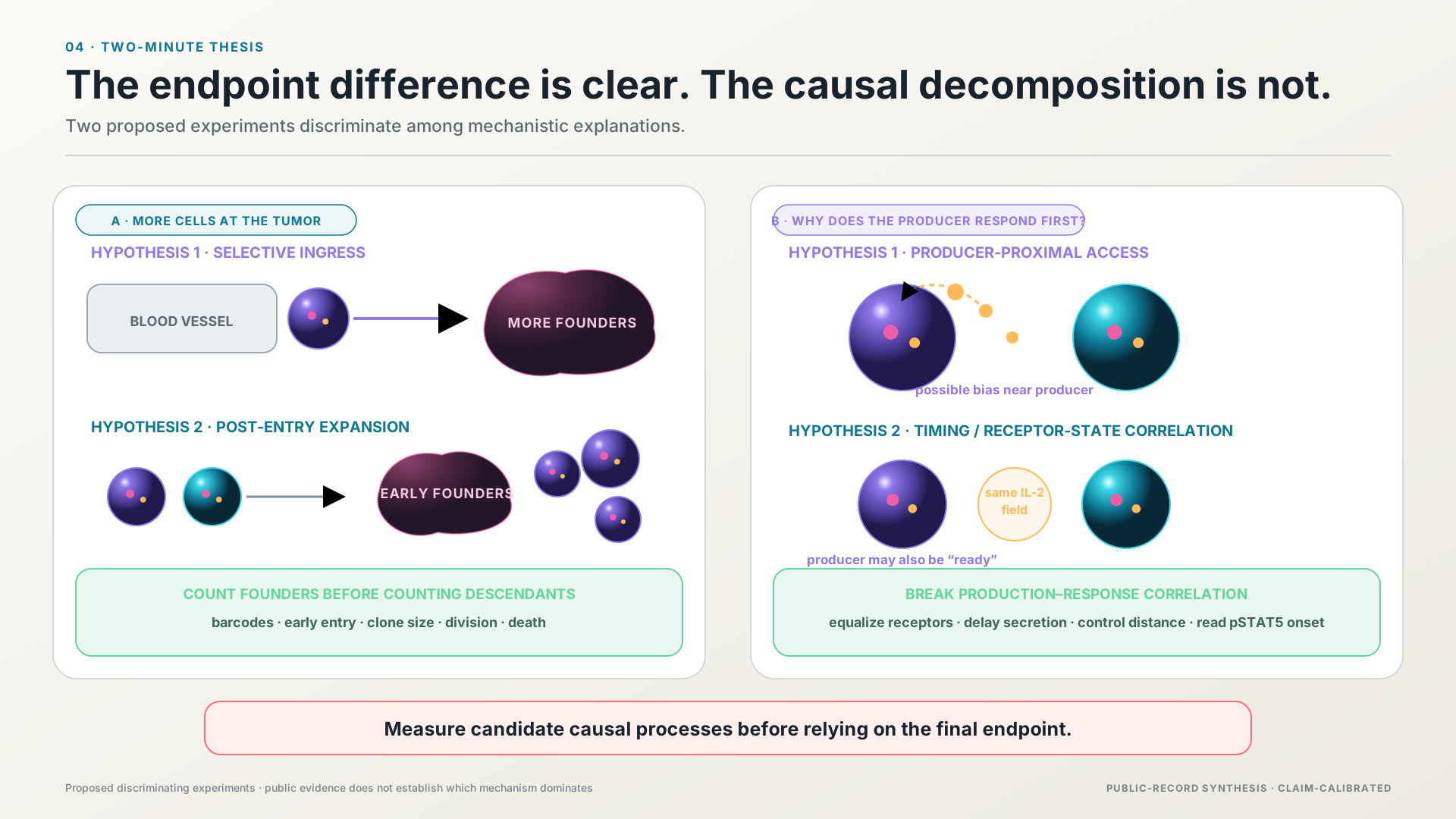
The reported endpoint difference does not identify its causal process. Founder-resolved longitudinal tracking could distinguish altered entry from later proliferation, death, or persistence. Separately perturbing secretion timing and receptor state could test proximity versus correlated readiness; neither mechanism is established by the endpoint alone.
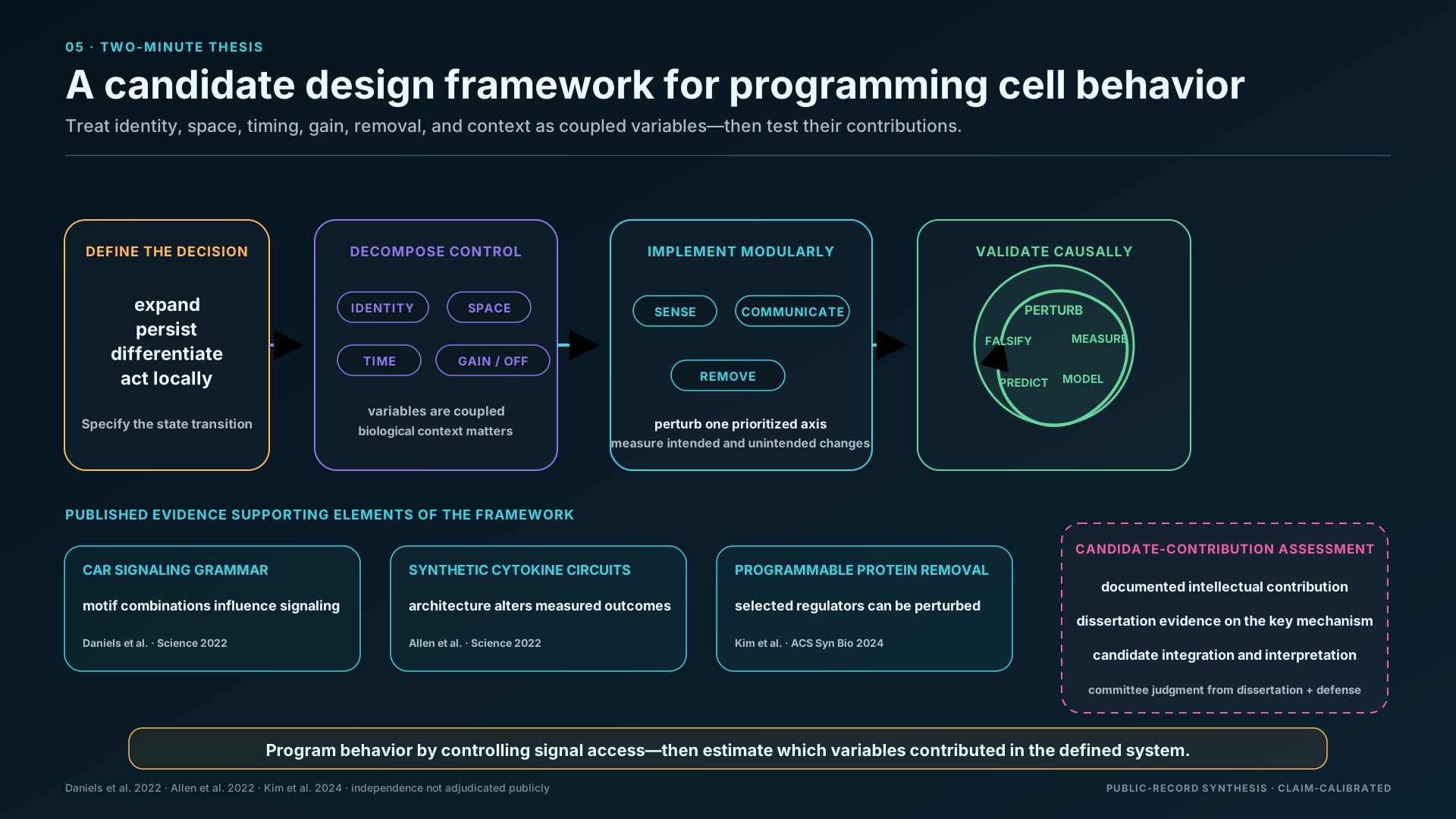
This is a candidate design framework, not a universal rule. The published studies support treating signal identity, space, timing, gain, removal, and context as coupled variables, followed by targeted causal tests. The candidate’s individual contribution and dissertation-level novelty remain committee judgments based on the dissertation and oral defense.